
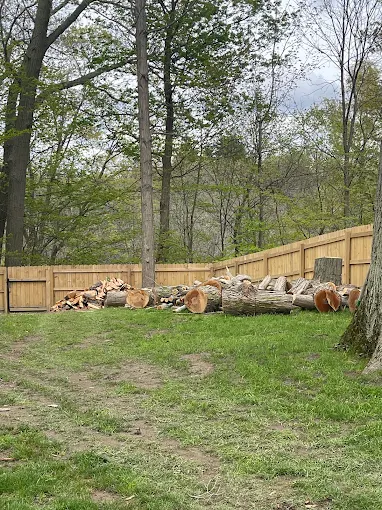
Yes, you will often need a permit for tree removal in New York State. Rules apply to mature trees over 4 to 8 inches in diameter. Regulations vary by town, especially near wetlands or public lines. Always check with your local municipality first.
Have a thorough read as we explain how size, species, and location affect your project. Learning these details helps you avoid heavy fines.
When Do You Need A Permit to Remove A Tree?
To prevent random tree cutting, New York has set some rules and regulations, and often a permit is needed. This is mostly to protect trees and the local environment.
Size Matters
In many New York towns like Harrison or Greenburgh, size is the main factor. You generally need a permit if a tree’s diameter is 6 to 8 inches at chest height. Smaller trees under 4 inches often don’t require paperwork. Instead of DIY, you should hire a professional tree removal service to help you with permits.
Protected Species
New York protects specific native species to maintain local biodiversity. You cannot easily remove trees like the American Holly, Atlantic White Cedar, or Flowering Dogwood. These species are vital to the ecosystem. Removing them without a special permit can lead to much higher penalties than standard tree removal.
Location of the Tree
Trees in sensitive areas face much tighter rules. If your tree grows near a wetland or on a steep slope, you almost always need a permit. The roots of an American Elm or River Birch often stabilize soil in these zones. Removing them can cause erosion or flooding issues for your neighbors.
Public Property
You cannot cut down trees that sit on the city’s “right-of-way.” This is usually the strip of land between your sidewalk and the street. Even if you planted the tree yourself, the town might own it. Removing a city-owned tree without permission is a serious legal violation in most NY districts.
Heritage Trees
Heritage trees are specimens with historical or cultural value. They are usually identified by their massive size or extreme age, often over 50 years old. An ancient White Oak might be designated as a landmark. You must prove the tree is a hazard with a thorough tree risk assessment before the board allows you to remove such a monument.